
You get home tired. You’re hungry. The idea of cooking feels overwhelming — chopping, cleaning, thinking, deciding. So you scroll your phone, order takeout, and promise yourself tomorrow will be different.
Here’s the good news: cooking quick, easy meals doesn’t have to be stressful. With the right mindset, a few smart shortcuts, and simple systems, you can put satisfying meals on the table without feeling drained.
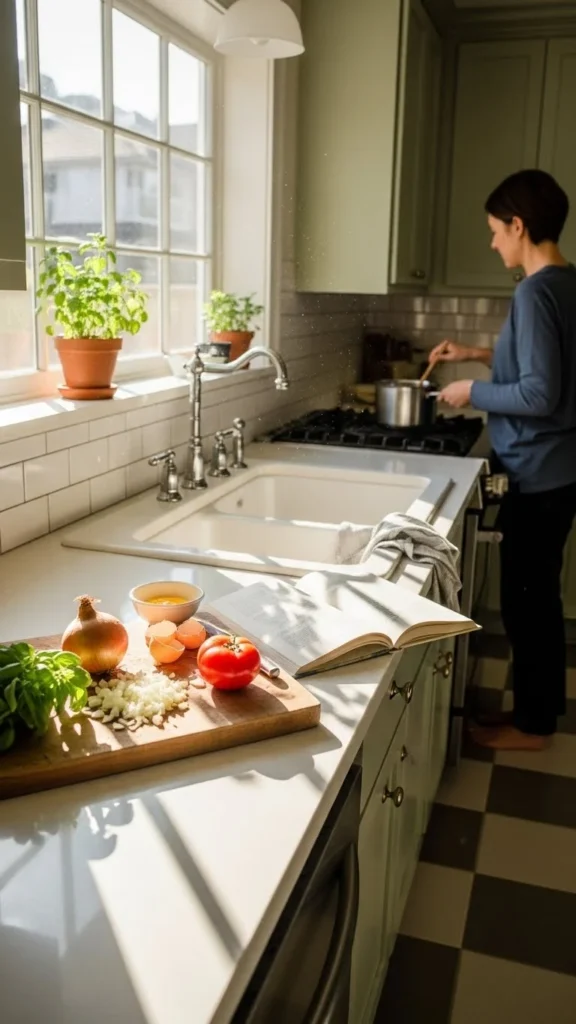
Let’s break it down step by step.
Change the Way You Think About Cooking
Stress-free cooking starts before you even touch the stove.
Most people think every meal needs to be:
- Complicated
- Perfect
- Instagram-worthy
It doesn’t.
Instead, aim for:
- Good enough
- Fast
- Filling
Cooking is not a performance. It’s fuel, comfort, and care.
Try this mental shift:
“What’s the simplest way I can feed myself well today?”
Once you let go of perfection, cooking instantly feels lighter.
Stock Your Kitchen for Speed, Not Perfection
A stress-free kitchen is a prepared kitchen. You don’t need fancy gadgets — just reliable basics.
Quick-meal pantry staples:
- Pasta, rice, tortillas
- Canned beans, lentils, chickpeas
- Jarred sauces (tomato, pesto, stir-fry)
- Frozen vegetables
- Eggs
- Bread
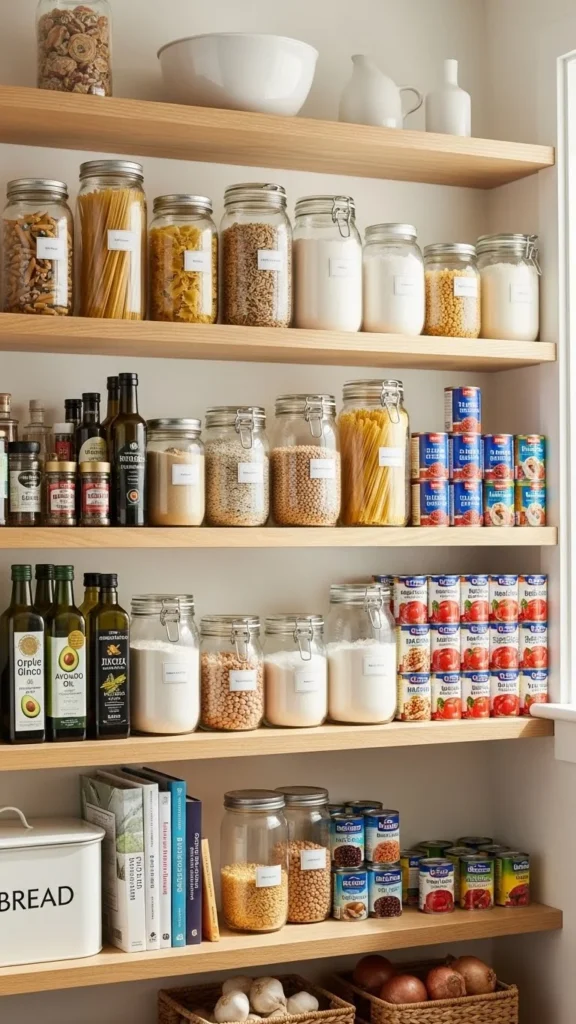
Fridge essentials:
- Onions & garlic
- Cheese
- Yogurt
- Leftover cooked protein (chicken, beans, eggs)
When these are on hand, you’re never starting from zero — and that removes stress instantly.
Use the “One-Pan, One-Pot” Rule
The fastest meals come from minimal cleanup.
If a recipe needs:
- 3 pans
- 4 bowls
- 20 steps
Skip it.
Instead, build meals around:
- Sheet-pan dinners
- One-pot pasta
- Stir-fries
- Skillet meals
Simple formula:
Protein + Veg + Carb + Sauce
Examples:
- Chicken + frozen veggies + rice + soy sauce
- Eggs + spinach + toast + cheese
- Pasta + canned tomatoes + garlic + olive oil
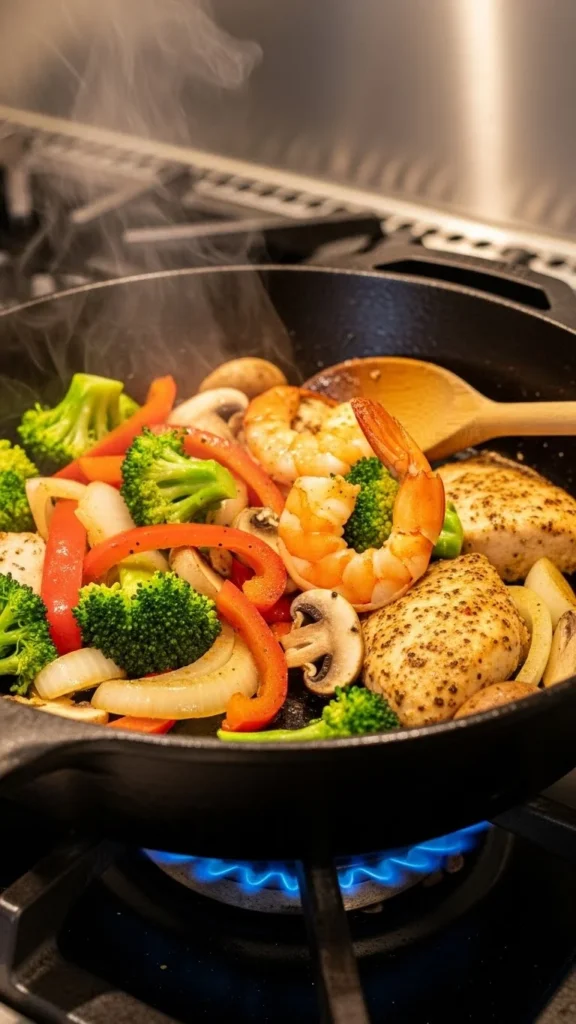
Less mess = less stress = more motivation to cook again tomorrow.
Prep Once, Eat Multiple Times
You don’t need full meal prep — just ingredient prep.
Spend 30–45 minutes once or twice a week:
- Chop onions and store them
- Cook a batch of rice or pasta
- Roast a tray of vegetables
- Boil eggs
Then mix and match during the week.
Example:
- Day 1: Rice bowl with veggies and eggs
- Day 2: Veggie fried rice
- Day 3: Rice + leftovers + quick sauce
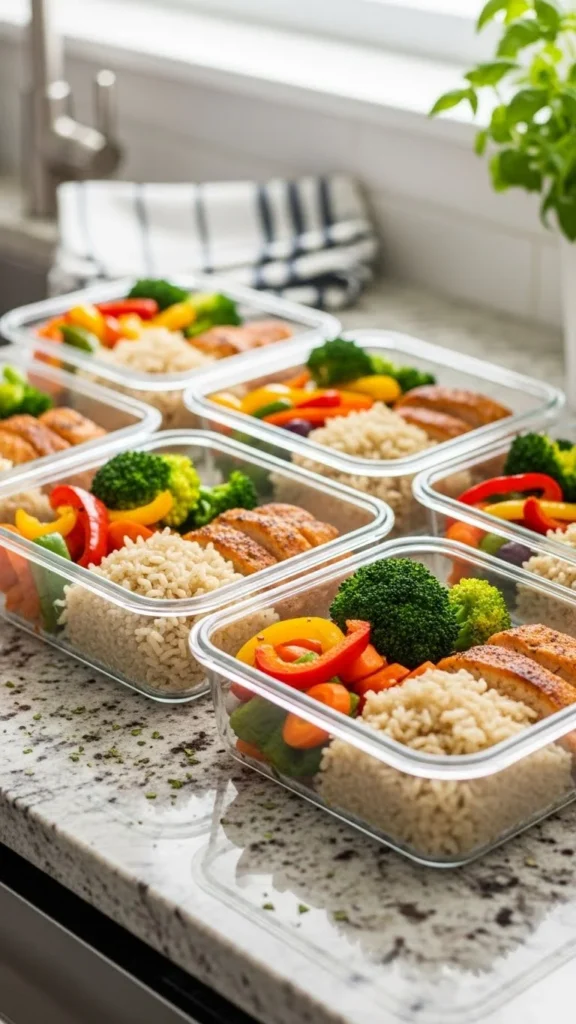
This approach saves time and mental energy, which is often the biggest source of cooking stress.
Master 5 Go-To Emergency Meals
Stress usually hits when you don’t know what to cook.
Solve that by choosing 5 default meals you can make without thinking.
Ideas:
- Scrambled eggs + toast
- Pasta with jarred sauce
- Veggie omelet
- Stir-fried rice
- Sandwich + soup
Write them down. Stick them on your fridge.
When your brain is tired, decisions are the enemy. Defaults are your best friend.
Cook Faster With Smart Shortcuts
There is zero shame in shortcuts. In fact, they’re the secret to consistency.
Use:
- Pre-chopped vegetables
- Frozen garlic or ginger
- Ready-made sauces
- Rotisserie chicken
- Microwave rice
Cooking doesn’t have to be “from scratch” to count.
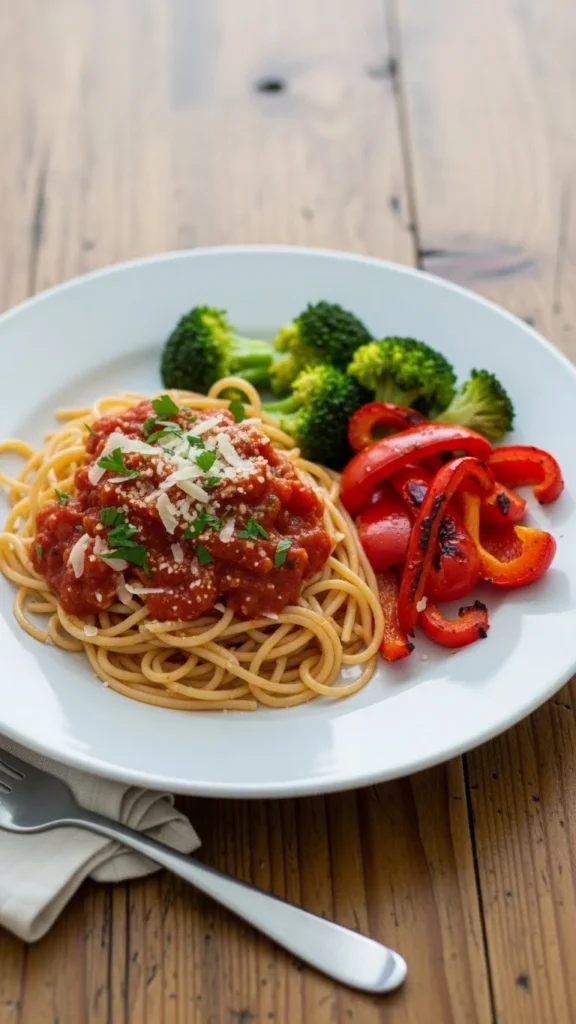
The goal is less effort, more consistency.
Clean As You Go (Future You Will Thank You)
Nothing kills the joy of cooking like a sink full of dishes.
While food cooks:
- Rinse cutting boards
- Put ingredients back
- Wipe the counter
You’ll finish eating without facing a disaster zone — and that reduces stress next time you cook.
Make Cooking Feel Enjoyable Again
Small changes can transform the experience:
- Play your favorite music or podcast
- Cook in comfortable clothes
- Light a candle
- Pour a drink (tea, soda, or wine)
Cooking doesn’t have to feel like a chore. It can be a pause — even a reset — in your day.
Final Takeaway
Quick, easy meals aren’t about being a “good cook.”
They’re about systems, shortcuts, and kindness to yourself.
Start small:
- Simplify your meals
- Reduce decisions
- Focus on progress, not perfection
The less stressed you feel, the more often you’ll cook — and that’s the real win.
👉 Save this guide for later and come back whenever cooking feels overwhelming.

Leave a Reply